
Asbestos removal is necessary when asbestos-containing materials are damaged or in poor condition, and can release harmful fibres into the air.
Prior to any planned refurbishment work, Asbestos must be removed prior to work starting if it will be disturbed.
Asbestos does not always need to be removed. In many cases, asbestos-containing materials (ACMs) that are in good condition and unlikely to be disturbed can be safely managed in place. However, asbestos removal should be considered where there is a risk to health or where the material cannot be safely managed.
Asbestos removal is typically required when:
The material is damaged or deteriorating
Removal should be considered where asbestos is cracked, broken, friable, or showing signs of wear, water damage, or impact. Damaged materials are more likely to release hazardous fibres into the air.
Planned works will disturb the asbestos
If refurbishment, maintenance, or demolition works are planned and asbestos will be disturbed by cutting, drilling, or removal of surrounding materials, it must be dealt with safely. In many cases, this means removal by a licensed contractor.
The asbestos cannot be safely managed in place
Where asbestos is located in high-traffic areas, service risers, plant rooms, or areas prone to accidental damage, ongoing management may not be practical or reliable. Removal may be the safest long-term solution.
Encapsulation is not suitable or has failed
Encapsulation can be an effective control measure, but it is not appropriate in all situations. Removal may be required where the material is too degraded, where encapsulation would not provide a durable solution, or where previous encapsulation has been damaged.
The use of the building is changing
Changes in building use—such as conversion to residential accommodation, increased occupancy, or use by vulnerable groups including children—can increase the risk of disturbance and may require asbestos removal.
Legal or project requirements apply
Asbestos removal may be required to comply with refurbishment or demolition surveys, planning conditions, insurance requirements, or the Control of Asbestos Regulations 2012.
Typical Residential Asbestos Removal Projects
Asbestos Garage Roof Removal
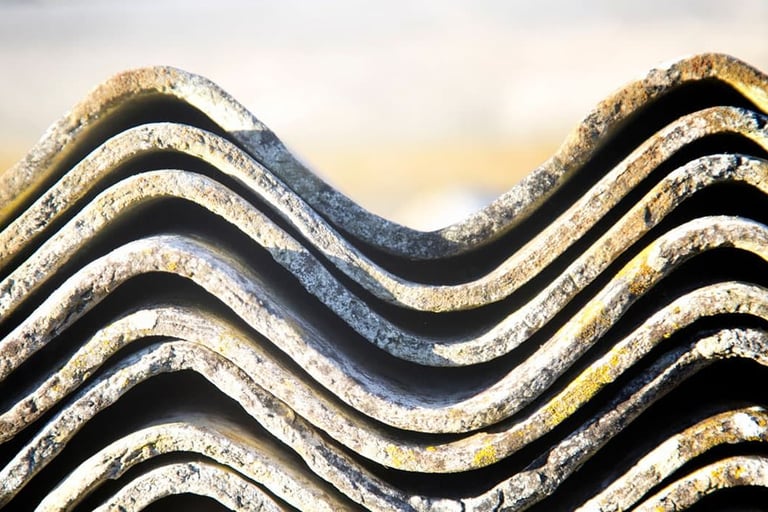
Often found in a corrugated form, these roofs are constructed of Asbestos Cement, widely used in construction of garages and out-buildings.
Asbestos Ceiling Removal
Asbestos containing materials such as Textured coating (Artex), ceiling tiles and sprayed coatings used for fire proofing.
Asbestos Floor Tiles
Vinyl floor tiles are commonly found in mid-20th century properties, removal of these tiles is common practise.
Asbestos Cement Removal
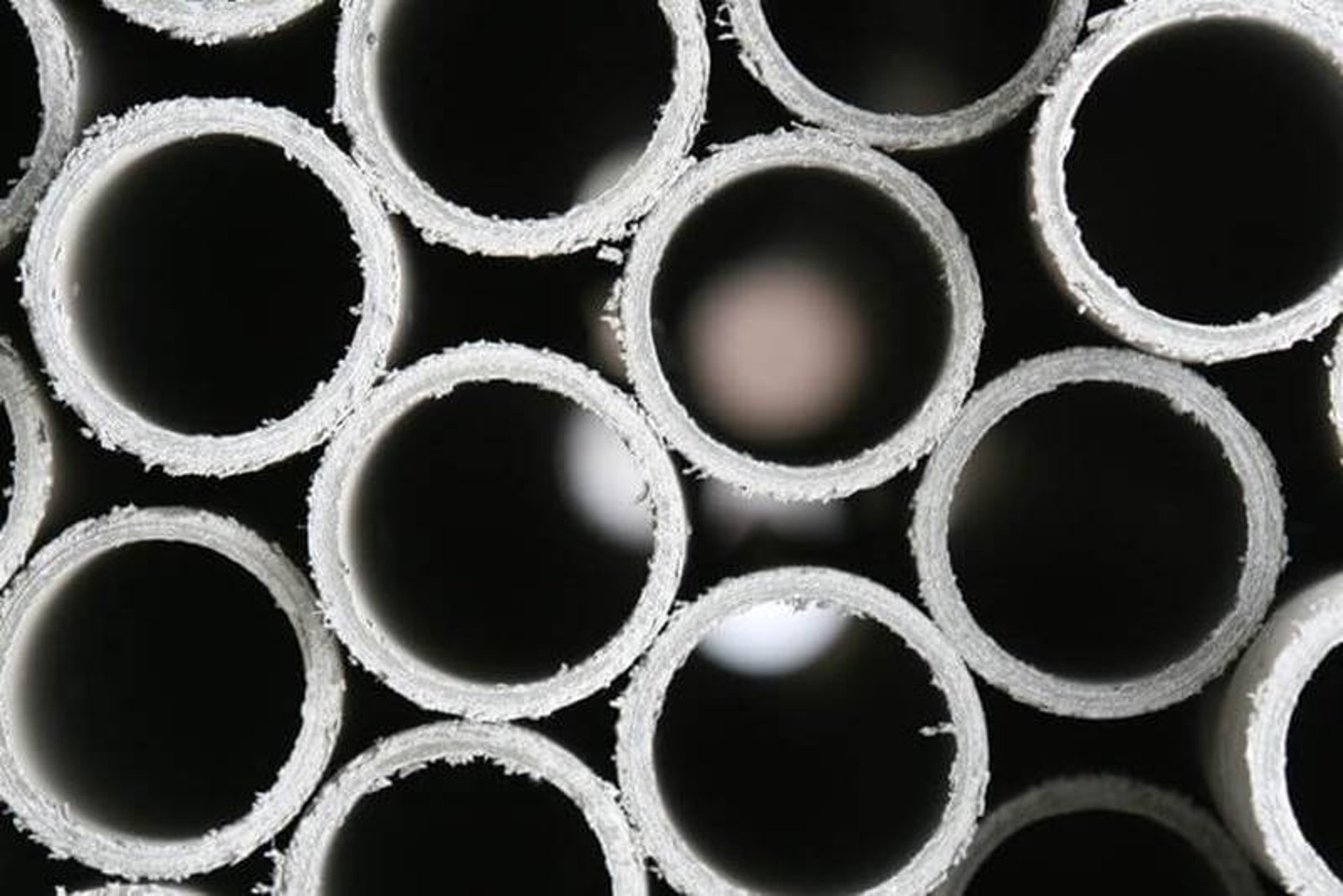
Asbestos cement was typically used in guttering, flue pipes and roofs in a domestic property.
Asbestos Insulating Board (AIB) Removal
Asbestos insulating board is often used in soffits, as well as pipework boxing and ceilings. Frequently removed prior to renovation or demolition.
Asbestos Insulation Removal
Less frequently found in a domestic setting, this material was used to lag pipework and acted as an excellent conductor of heat.
Our Service Process
Contact Us

Get in touch with our team today
Arrange a site visit

We assess your needs and, if required, will carry out a site visit.
Quotation

Our team will provide you with a quotation and timeline for the required work.
Project Completion

Our team will safely remove the asbestos and issue all required and relevant documentation


Professional Asbestos Services You Can Trust
Our Services
Asbestos Surveys
Asbestos Testing & Analysis
Asbestos Removal
Asbestos Management
24/7 Emergency Service


© 2026 Envion Group.. All rights reserved.